By Lise Lareau, former president, Canadian Media Guild
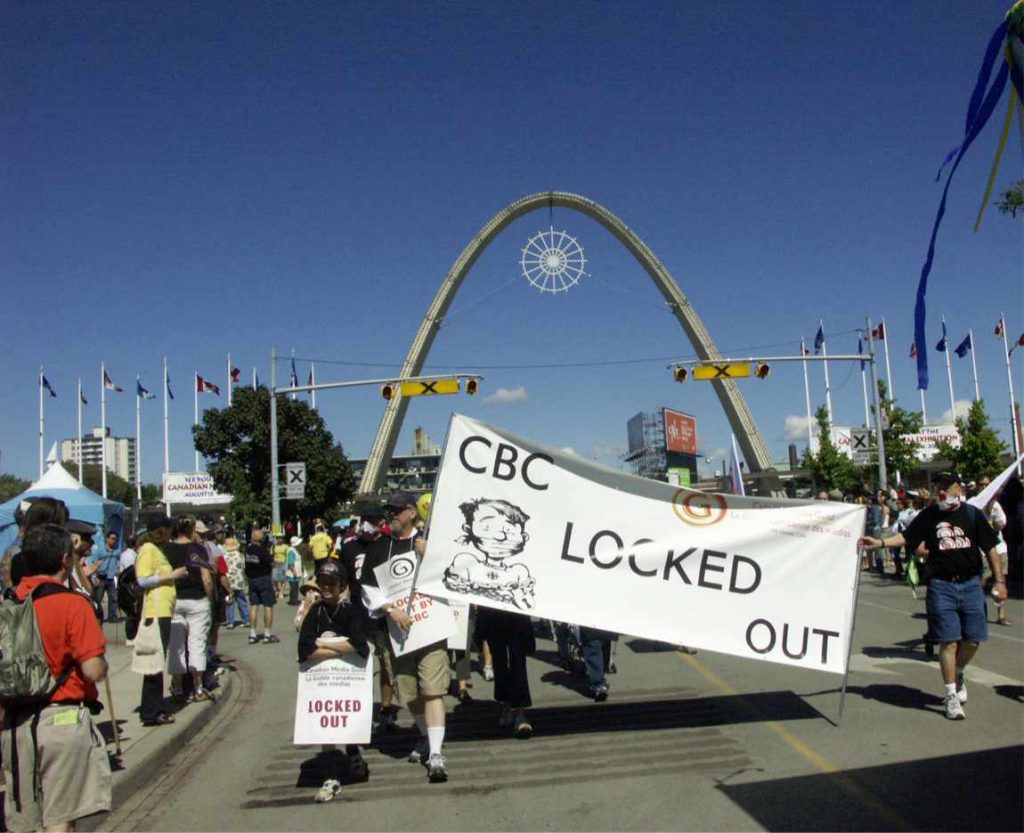
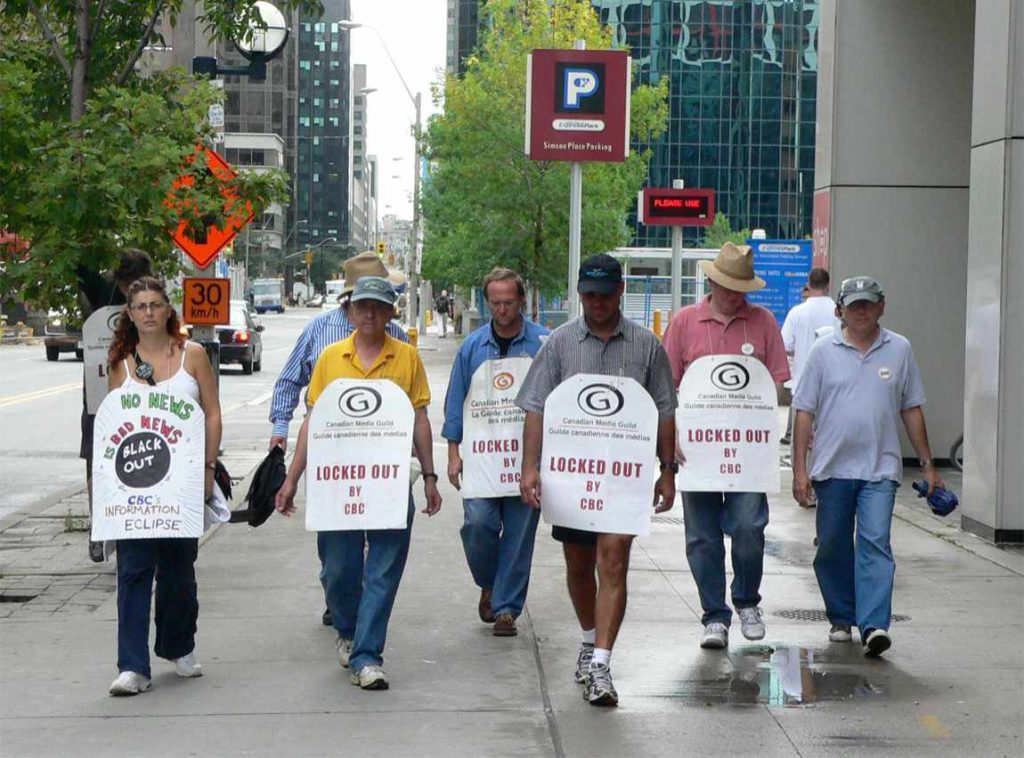
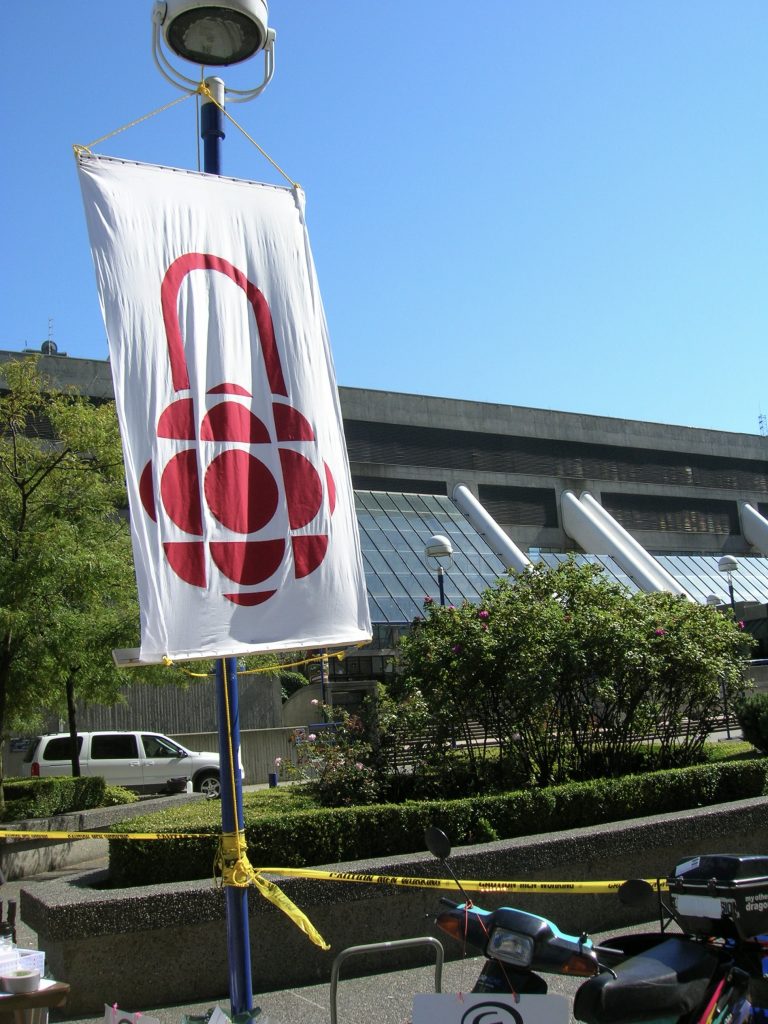
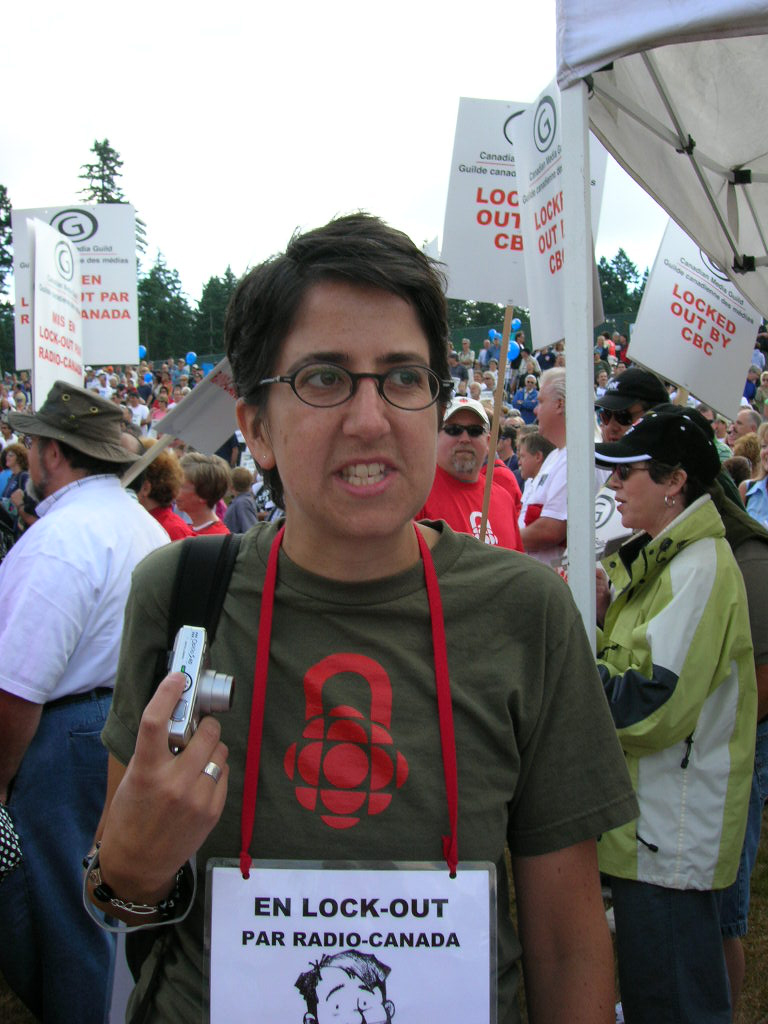
Twenty years ago, nearly 5,500 CMG members found themselves locked out by CBC/Radio-Canada and at the forefront of one of the biggest national clashes in Canadian labour and journalism history. Nearly all news and other programming at the network came to a stop, with the exception of a bare-bones newscast produced by management staff.
The lockout upended our lives for nearly eight weeks, from August 15 to October 11, 2005. Many who worked at the Corporation during that time have vivid memories of it (almost all positive, by the way).
So what was it all about?
The main issue was one we all still know too well – the proliferation of temporary work at CBC/Radio-Canada. At the time, we at CMG calculated that more than 30% of CBC/Radio-Canada workers were on some sort of non-permanent arrangement – whether they were called “casual,” “temp,” or “contract.”
Just calculating and publicizing that 30% figure was empowering back then. The shock value of it made the issue resonate with both members and the public at large. Our lockout was one of the first times that the issue of precarious work became part of the national conversation and the first time the word “precarity” was used in a widespread way by politicians and “experts.” Even if they didn’t use the word, grandparents and parents often stopped by the picket line to say they were worried about the next generation’s ability to find ongoing work.
CMG members – both permanent and non-permanent – understood that the growing use of casual workers was undermining journalism, bad for mental health, terrible for career development, and simply unfair.
In the end, we beat back the most onerous of CBC/Radio-Canada’s demands. That’s the biggest lesson of it all. The fight was worth it. The new contract limited the number of contract employees to just under 10% of the workforce and tightened the rules around how casual and temp employees could be used. It was a big win, even though we knew that even with these restrictions, we at CMG would need to apply significant resources to enforce them.
Two decades later, it’s interesting to reflect: What were the other lessons of the 2005 lockout? Here are some thoughts.
- You really have to fight for what’s important. This is truer now than it was 20 years ago. Back then, CBC/Radio-Canada managers were hell-bent on creating a “flexible” workforce where most employees would be on contract with little job security and no access to a pension. They were sure this was the solution to the media industry crisis that was just unfolding (the internet as we know it was just about six years old at the time). Had we buckled, either at the bargaining table or on the picket line, the consequences would have been disastrous. Hundreds of people – if not thousands, if you count the cascading impact over time – would now be living without permanent jobs or pensions. The problem is still bad, sadly, but would be far worse had we not reached the deal we did. You have to be visibly ready to stand up collectively and push back when necessary.
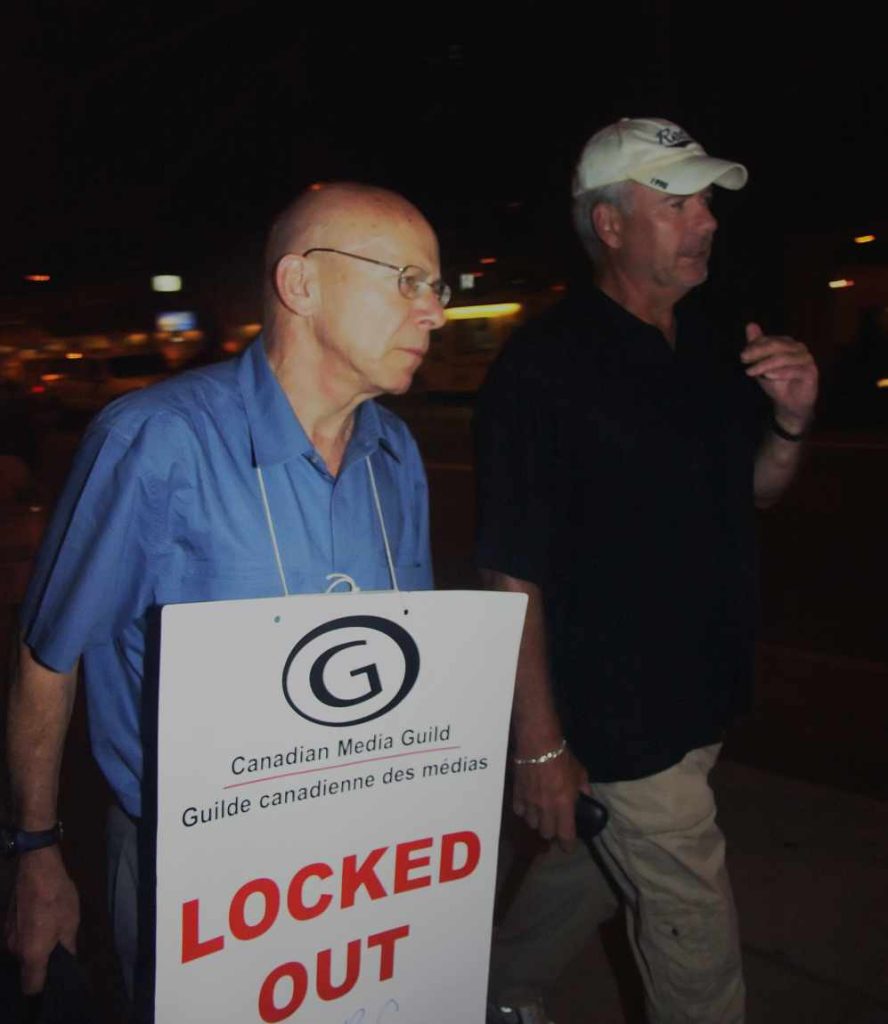
- Don’t make the mistake of thinking employee and employer interests are always the same, in any industry or workplace. I was as shocked as anyone at midnight, August 15, 2005, as I watched CBC/Radio-Canada managers and security people actually lock the doors and usher people out of the building in Toronto. I was numb. I thought, how could they do this to us (relatively) nice media people? As CMG president, it was up to me to say a few words to both the media and to members, but I have no idea what I said. I doubt it was inspirational. I was as shocked as everyone else. Even though that day was the strike/lockout deadline set by the labour process, people just don’t expect to be locked out by their employer. It turns out CBC/Radio-Canada managers wanted a fight, they wanted to control the timing, and they wanted us on the street. They thought it was a winning strategy. It wasn’t, for them. Once we got over the shock, it was OK for us. But never forget this difference.
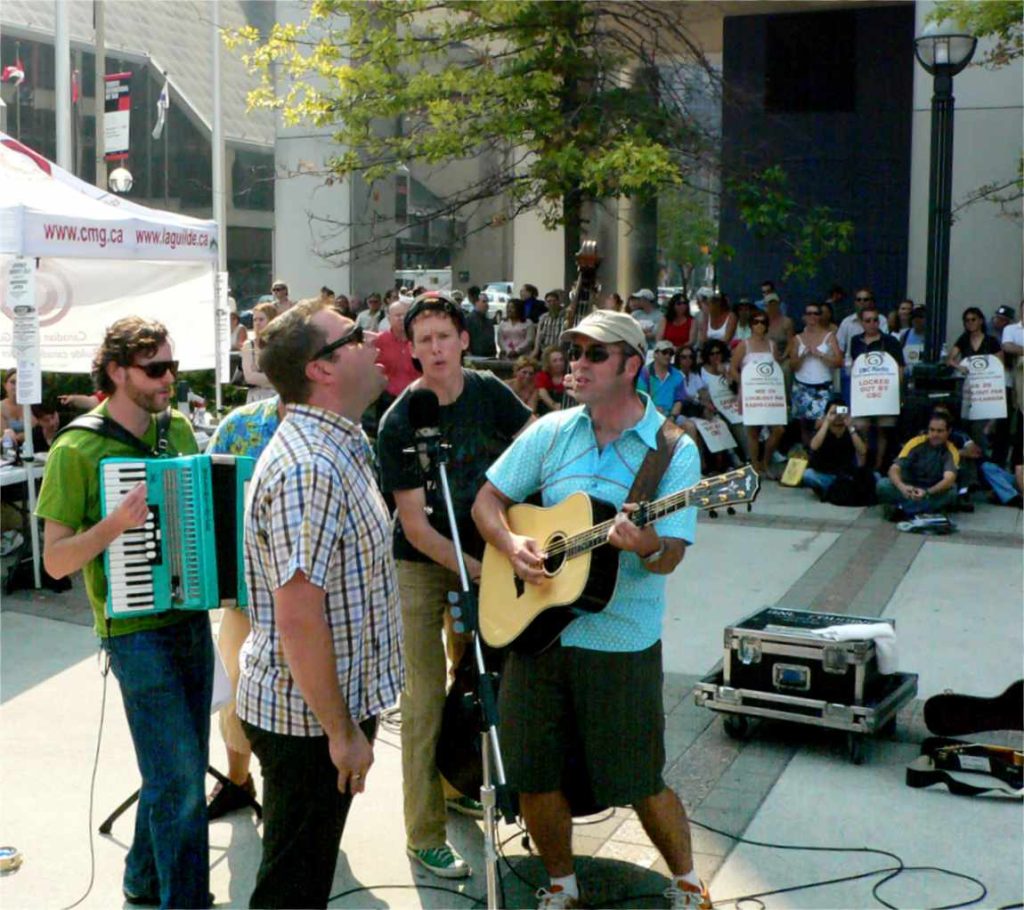
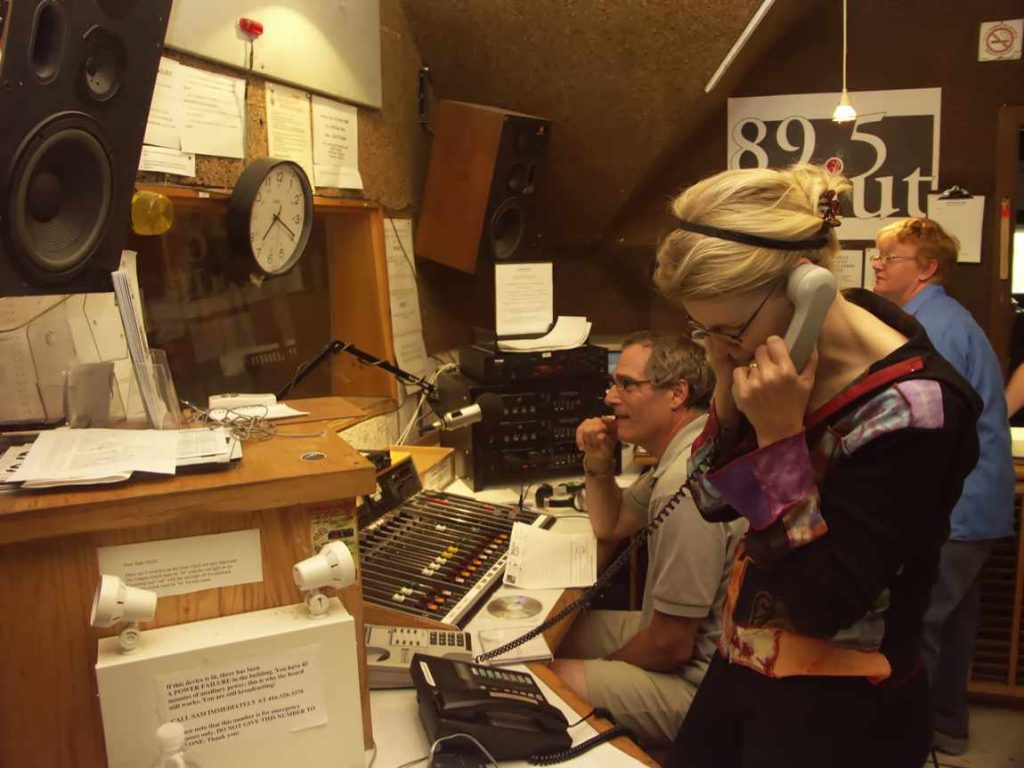
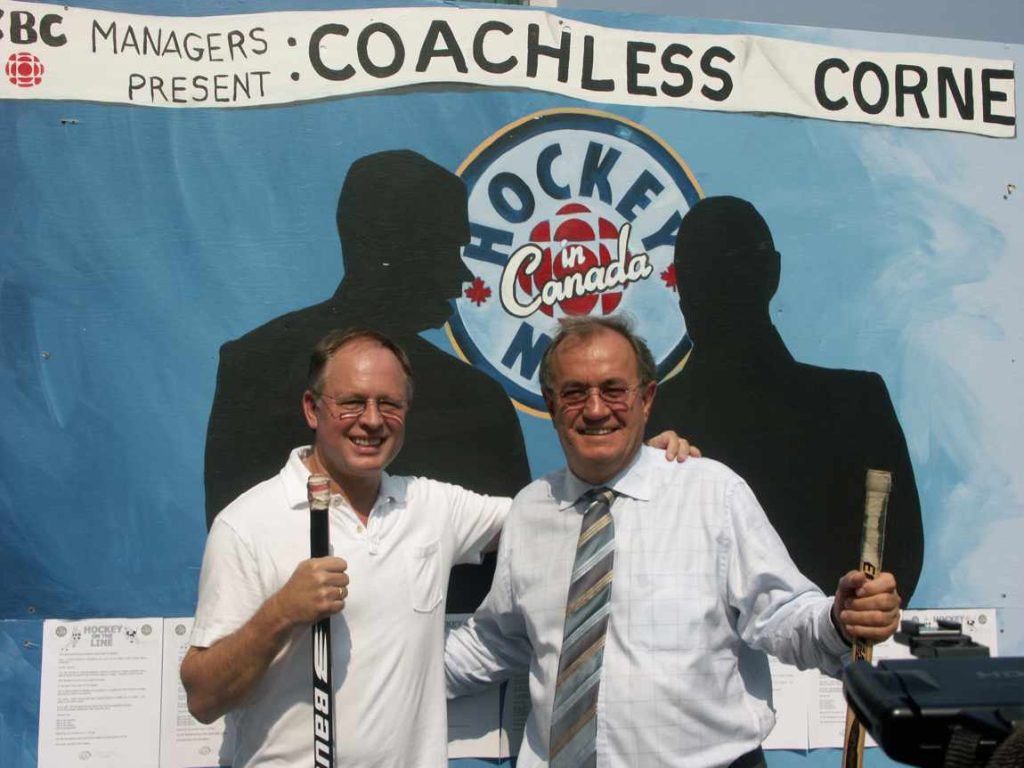
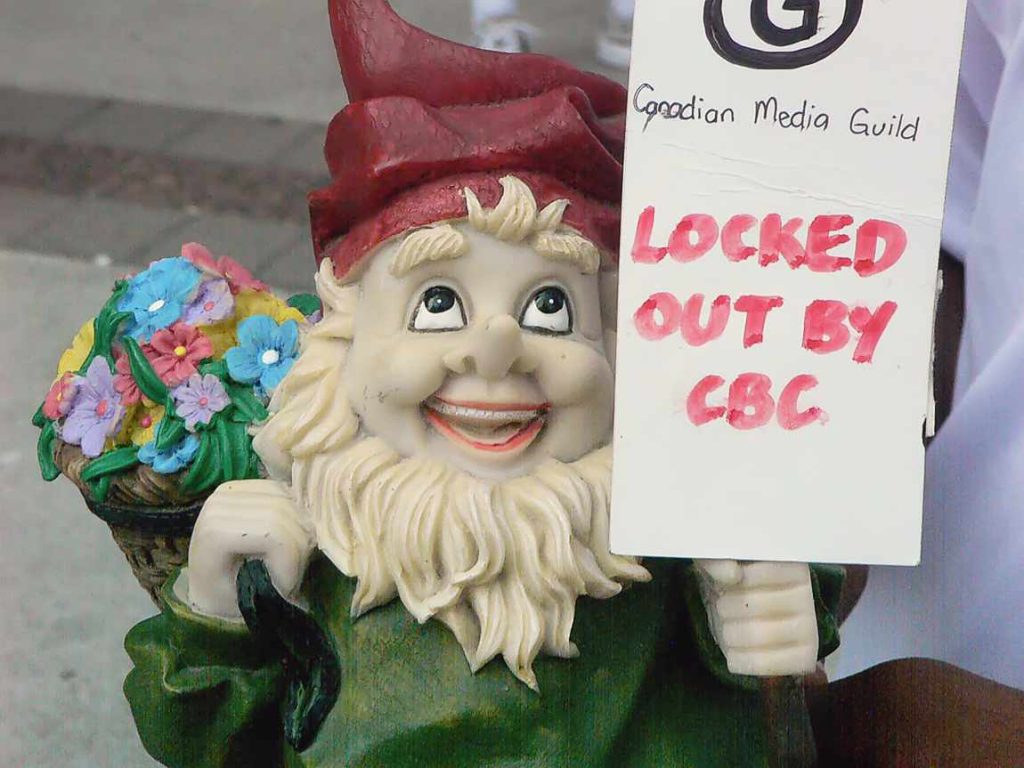
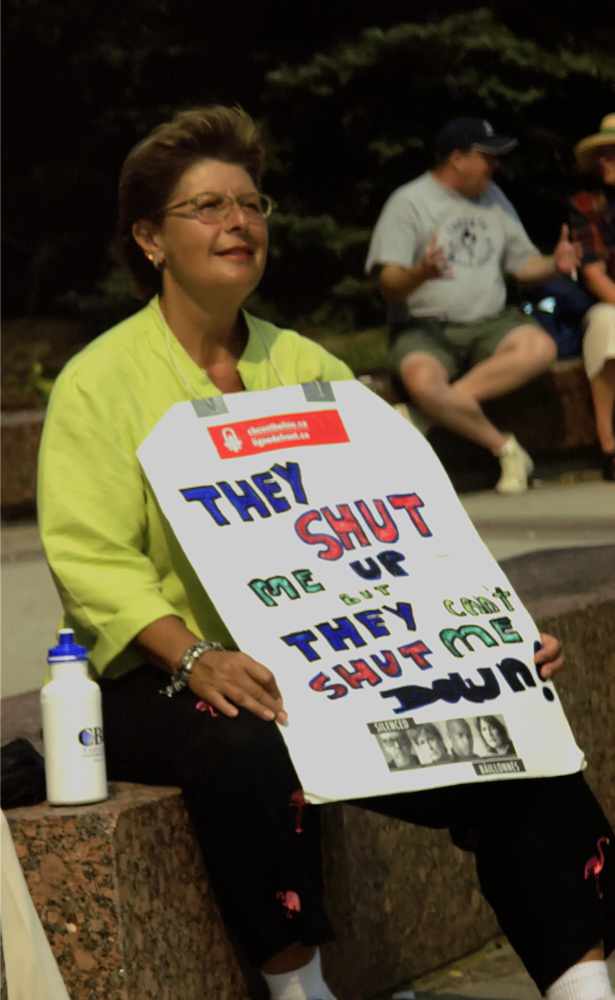
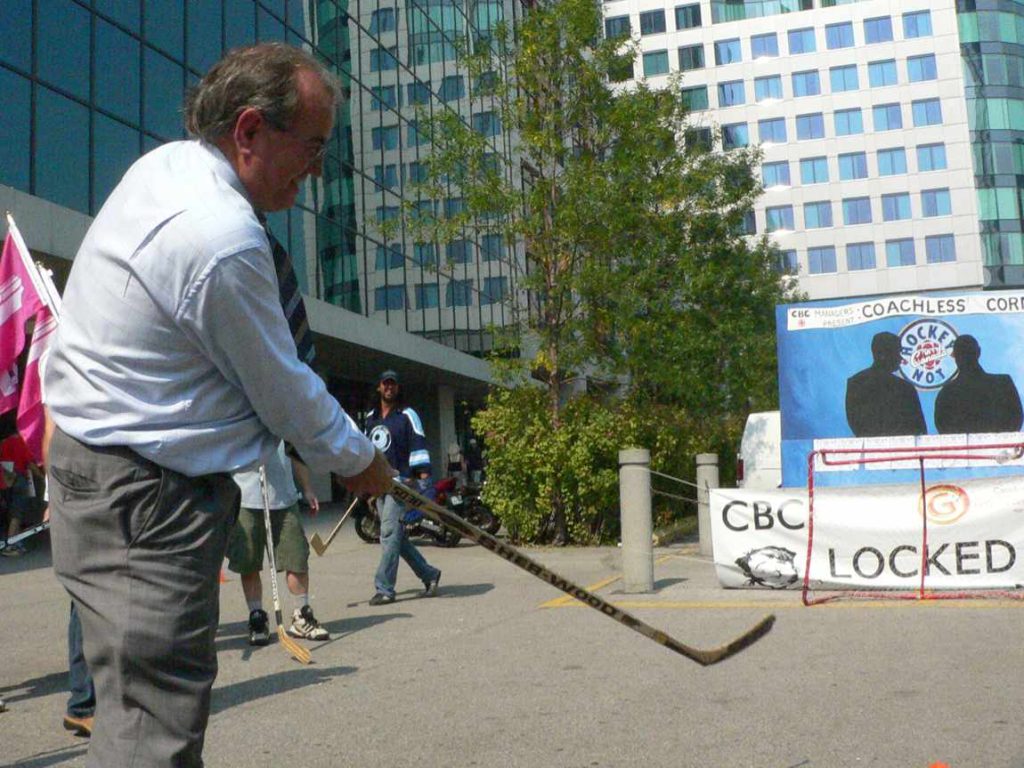
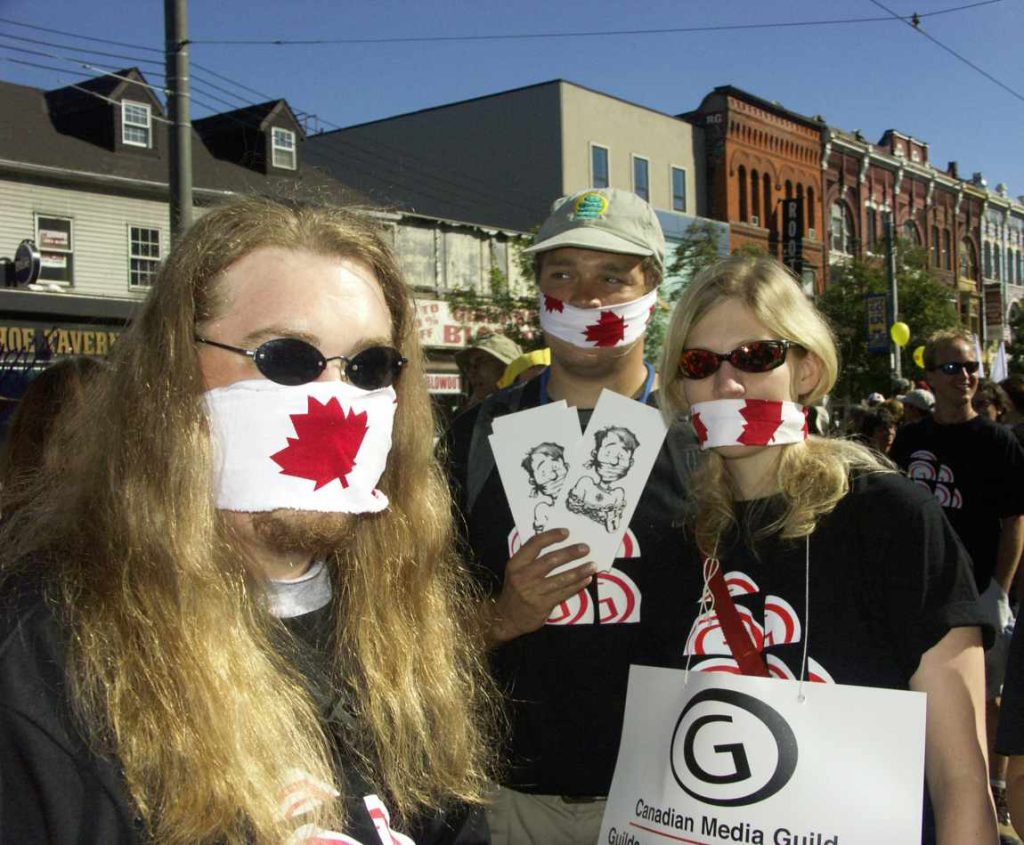
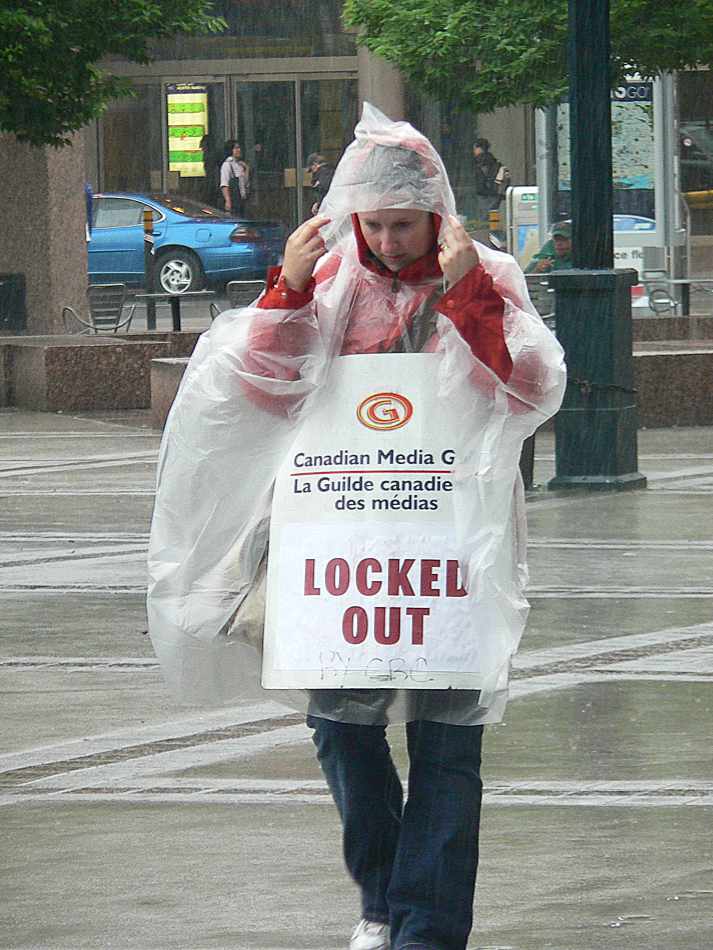
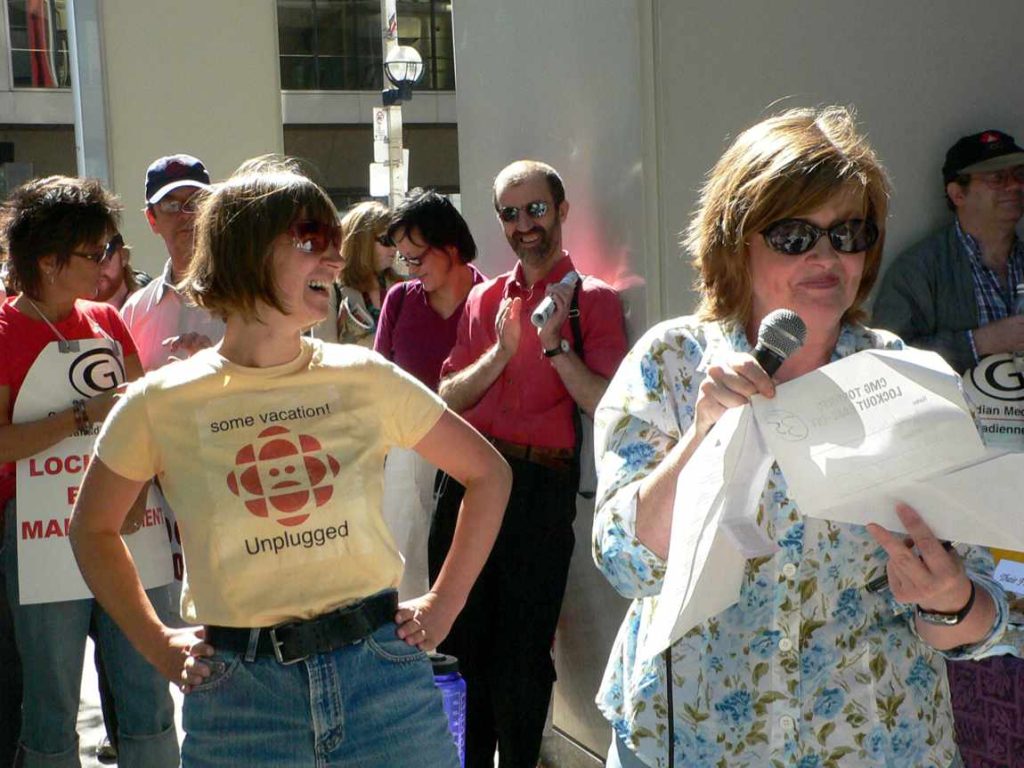
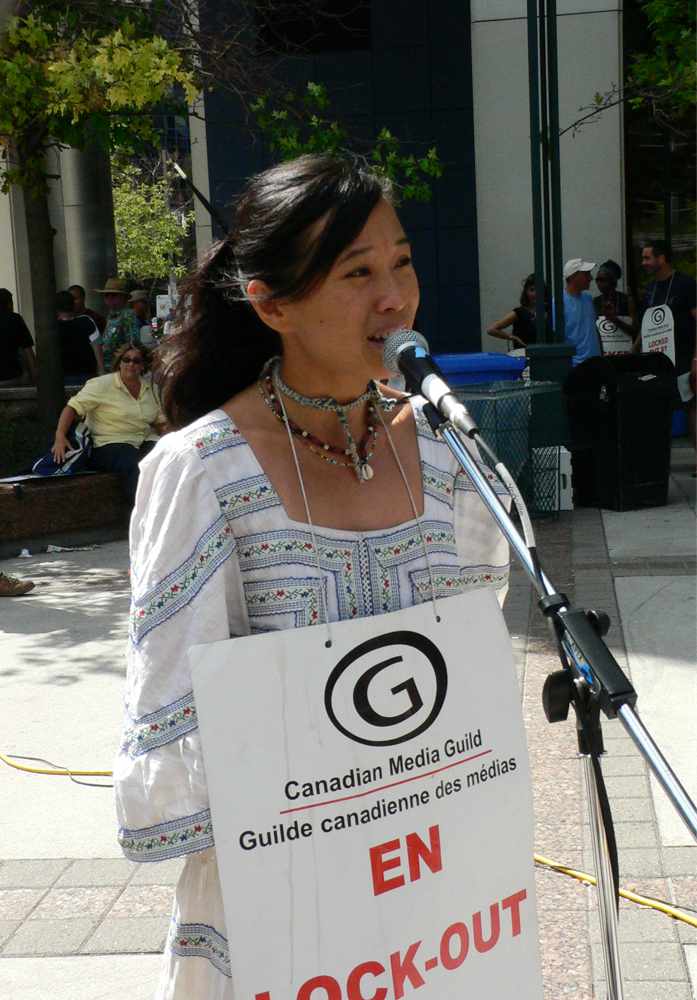
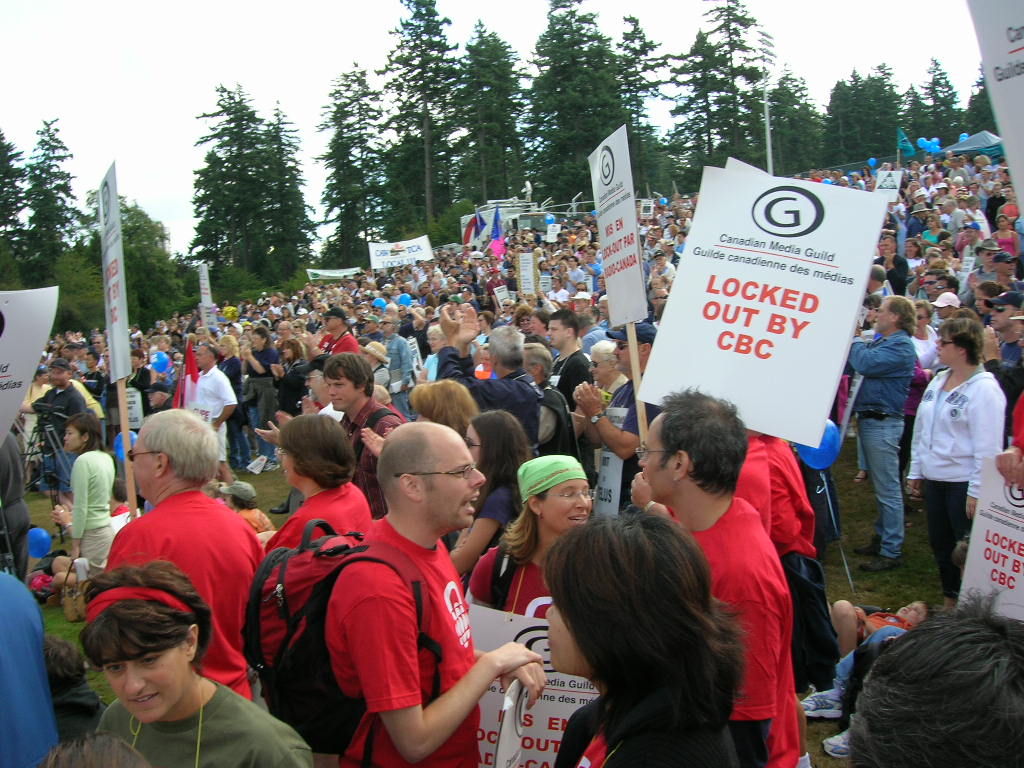
- Give people things to do on the picket line besides walking around a building with a sign. Our CMG members transformed into creative, angry activists, and they did so quickly. They did “lockout radio shows” at student stations or on the street, organized everything from concerts to yoga lessons, and connected with their politicians. The mic outside the Broadcasting Centre was open to anyone and everyone. There was a cross-country caravan, organized by broadcaster Shelagh Rogers. To this day, people come up to me and say that those weeks were a highlight of their time at CBC/Radio-Canada. No matter what their “day jobs” were, people were free to do “picket duty” however they wanted. There is a lesson in this: Free people up, and they will surprise you with their creativity and smarts.
- Know where your power comes from. Even with thousands of people on the street and all their amazing resourcefulness, the biggest key to a deal turned out to be – hockey. After weeks of nearly no live CBC/Radio-Canada programming coast to coast, the event that forced the sides to meet – summoned by the federal labour minister to Ottawa – was the impending start of the Hockey Night in Canada season (then still owned by CBC/Radio-Canada). You have to know the source of your own power, for better or worse. It may not be what you think. Be realistic about it and use it to your advantage.
- Money works out during labour disputes. Everyone was concerned about how they would pay their mortgage or rent. But you quickly learn that banks will give you a break if they know that the dispute/crisis in question has an end date, and you learn to live with less for a few weeks or months. Because of our affiliation with the CWA, we were lucky to get weekly strike pay that was above average by union standards. People got other work in some cases. The union received thousands of dollars in donations, and a committee gave out money to those in most need. It worked out. However, I recognize we were lucky, comparatively. Some of these disputes drag on for months and years. That’s different – but still survivable.
- Unions and managers have to figure out better ways to work out real problems. One of the most positive things to come out of the lockout was a concerted effort to rebuild the relationship with CBC/Radio-Canada after it was over and when anger eventually subsided (this took more than a year). In our case, the order came from the top in the form of a new president of CBC/Radio-Canada, who forced senior managers and senior union people to find new ways of working out big labour-related problems. That post-lockout relationship-building (controversial as it was at the time) helped solve significant grievances and led to a massive effort to convert temps to permanent employees. It also brought about an approach to bargaining that was interest-based and less adversarial. It has lasted to this day, more or less. I think of the importance of relationship building when watching the disputes at Canada Post and Air Canada. You can’t deal with major structural/industry problems through routine grievances and traditional negotiations.
I could go on. I am now doing my Master’s thesis on precarity and know full well that this is the biggest economic and labour issue of our times. We all have to come up with solutions and be prepared to fight for them. I have come to think that the drive to fight back needs to be nurtured, and it comes from deep within us, whether we think of ourselves as fighters or not.
Now the fight is for information itself, with a weakened media industry, the rise of misinformation and AI, the killing of journalists in Gaza and elsewhere, and Donald Trump’s attacks on free speech. It’s up to all of us to remember that sometimes the biggest battles find us – often when we are not looking. It’s up to us to respond and do the right thing when they do.
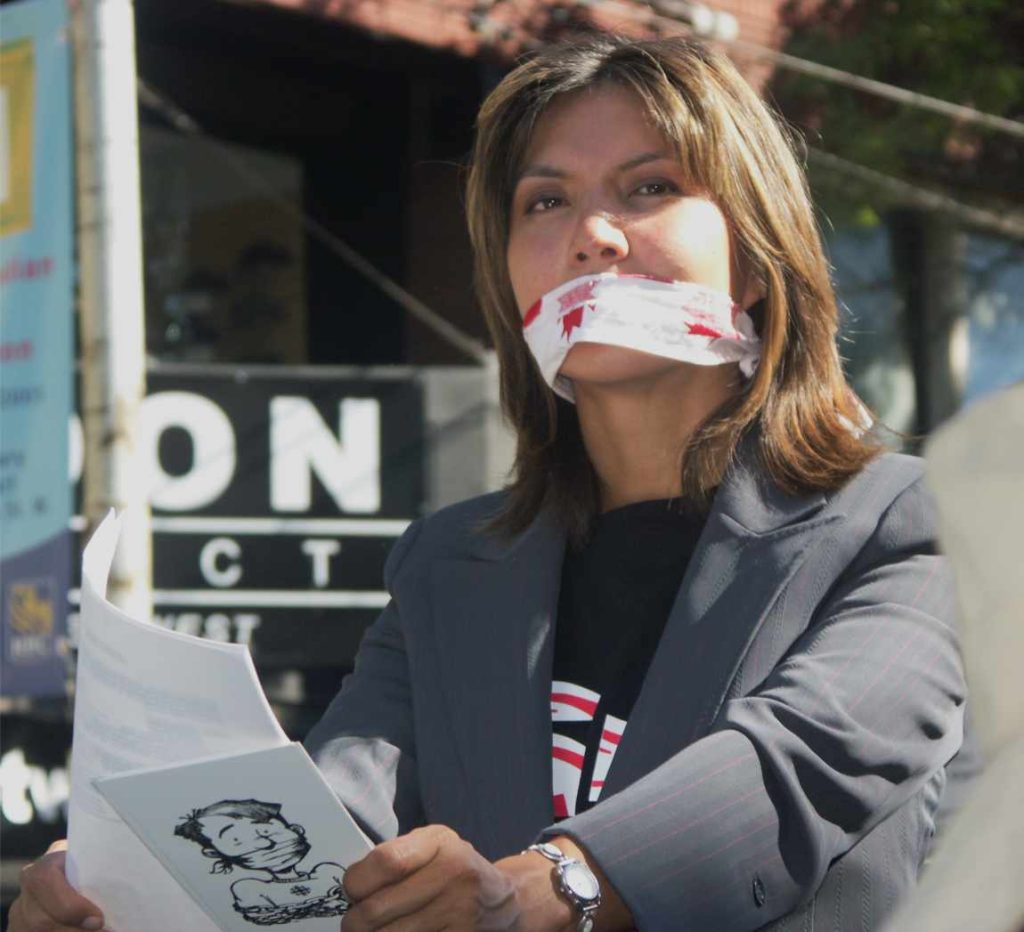
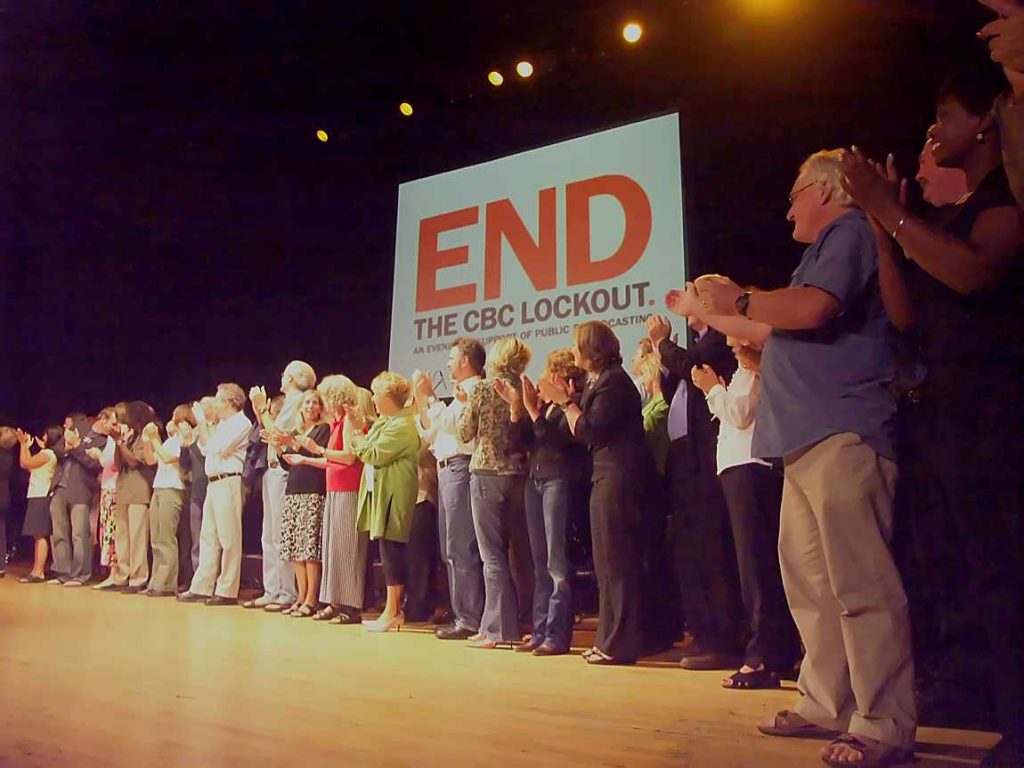
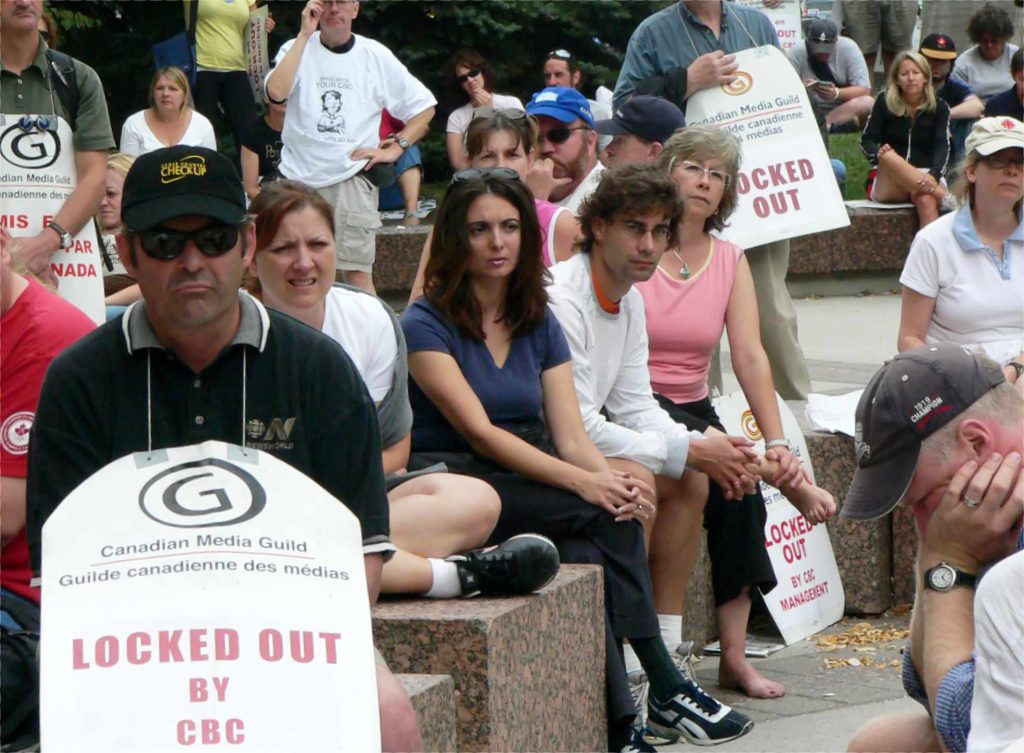
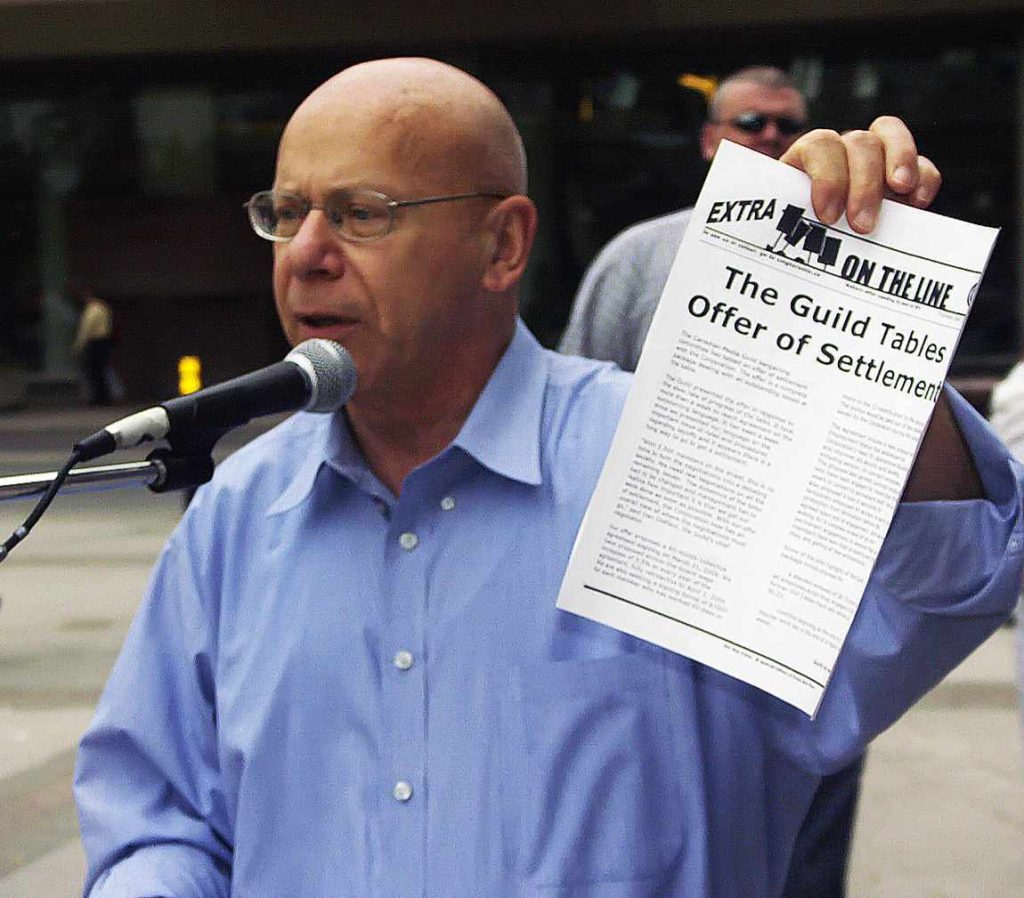
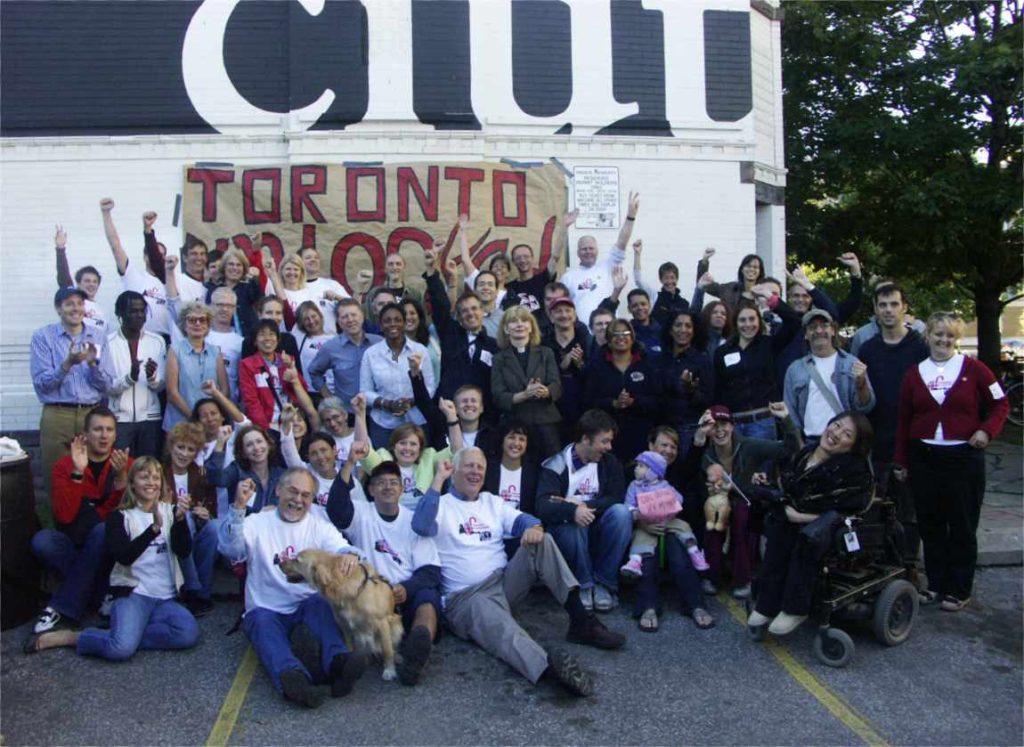
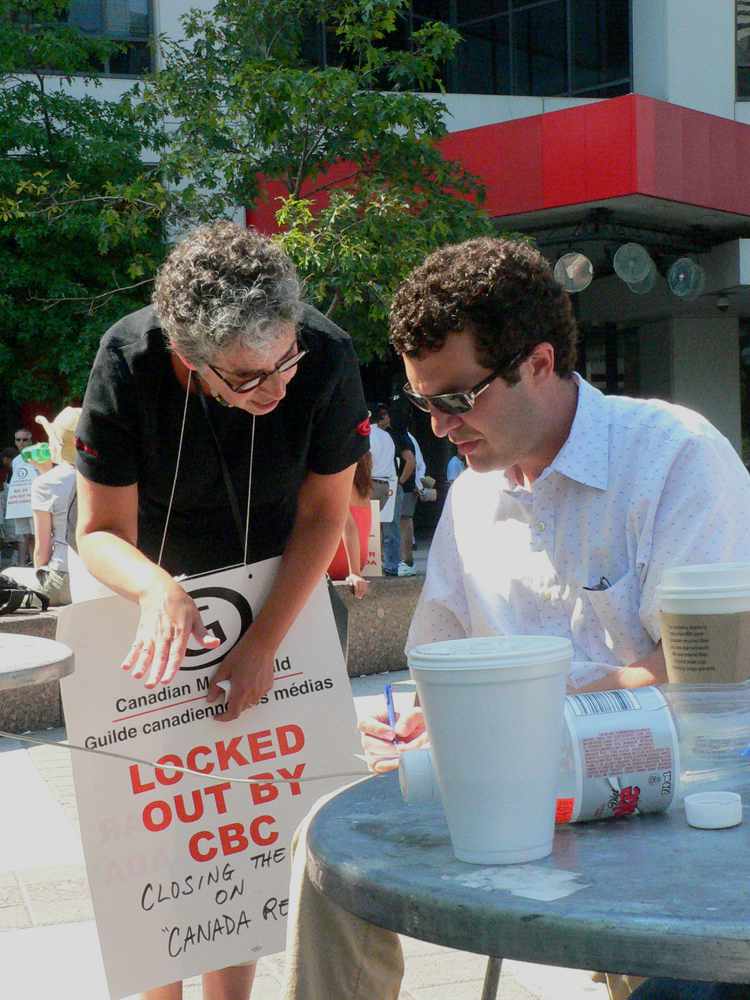
Photo Memories of the CBC Lockout of CMG Workers – August-October 2005